પ્રતીકો
હિંદુ પ્રતીકો હિંદુ ધર્મનું અભિન્ન અંગ છે. હિંદુ ધર્મ પૃથ્વી પરનો સૌથી જૂનો ધર્મ હોવાથી, તેમાં અન્ય ધર્મો કરતાં વધુ સંખ્યામાં પ્રતીકો છે. દરેક હિંદુ પ્રતીકનો અલગ અર્થ હોય છે અને તેનો ઉપયોગ વિવિધ પ્રસંગોએ થાય છે.
AUM અથવા OM નો અર્થ શું છે?
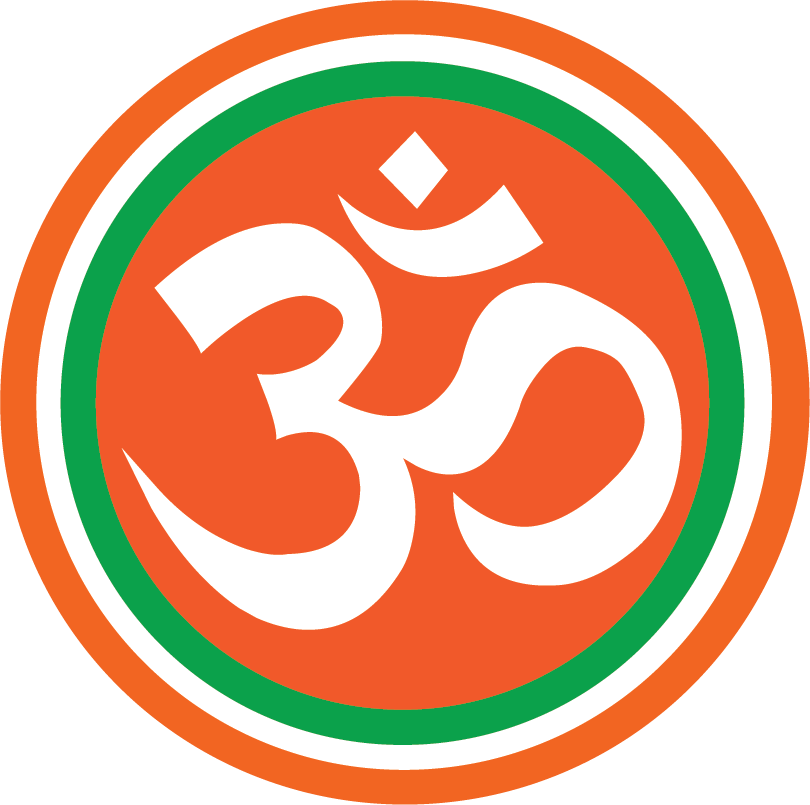
"Aum" (also spelled as "Om") is a sacred sound and spiritual icon in Indian religions, including Hinduism, Buddhism, Jainism, and Sikhism. It holds deep significance and is considered a primordial sound from which the universe originated. The symbol "ॐ" represents this sound visually.
In Hinduism, "Aum" is considered the most sacred mantra and is often chanted at the beginning and end of prayers, meditations, and rituals. It is believed to encompass the essence of the ultimate reality, representing the three aspects of existence:
- A (अ): Represents the waking state, material reality, and the external world.
- U (उ): Represents the dream state, the mind, and the subtle realms.
- M (म): Represents the deep sleep state, the unconscious, and the spiritual dimension.
Chanting or meditating on "Aum" is known to have a profound spiritual and transformative effect. It is a way to connect with the divine, attain higher states of consciousness, and align oneself with the cosmic vibrations.
Overall, "Aum" is a symbol and sound that encapsulates the profound philosophical and spiritual concepts of existence, consciousness, and the interconnectedness of all things in Indian Dharma.
આપણે તિલક શા માટે કરીએ છીએ?
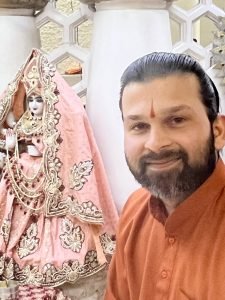 From an Indian Dharmic perspective, which includes Hinduism, Buddhism, Jainism, and Sikhism, the application of a tilak on the forehead holds spiritual and cultural significance. Here's how it's viewed within these traditions:
- Hinduism:
- Devotion and Identity: Applying a tilak is a way to express devotion to a particular deity or lineage. Different sects and communities within Hinduism use distinct tilak marks to signify their allegiance.
- Third Eye Activation: The spot where the tilak is applied corresponds to the "ajna chakra" or the third eye, which is believed to be a center of consciousness and spiritual insight. Applying a tilak here can symbolize awakening the higher consciousness.
- Buddhism:
- Spiritual Connection: In some Buddhist practices, a dot or mark is applied to the forehead as a reminder of the spiritual path and as a symbol of mindfulness. It can represent the "third eye" of wisdom and insight.
- Jainism:
- Spiritual Purity: Jainism places great emphasis on purity, both in thought and action. Applying a white sandalwood paste or rice paste tilak is a way to symbolize purity and spiritual commitment.
સ્વસ્તિકનો અર્થ શું છે
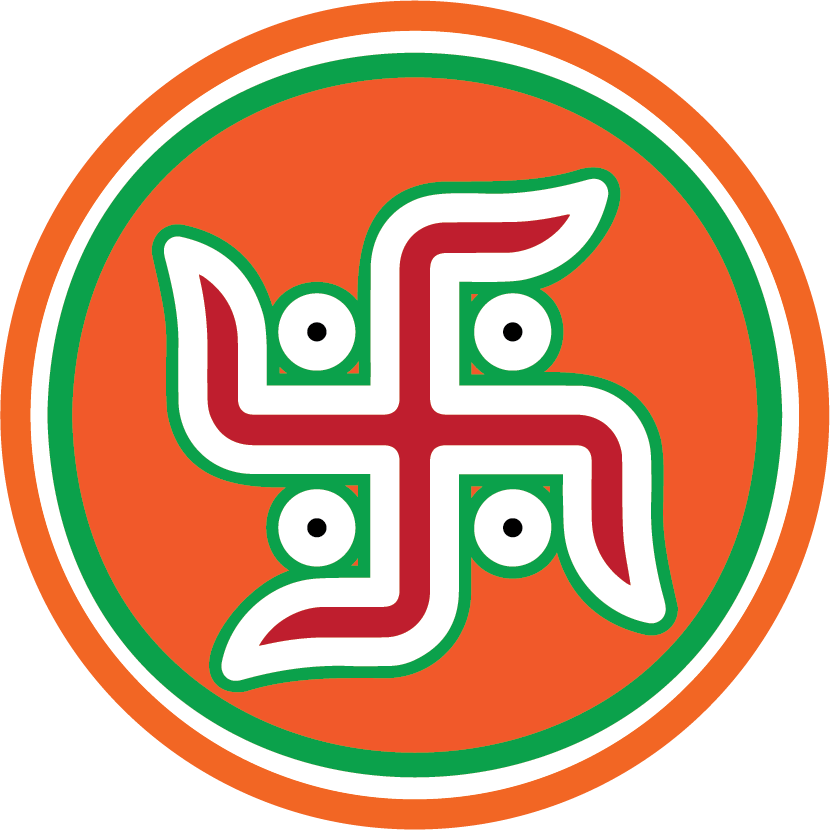 The swastika is the second most important of all Hindu symbols. The word Swastika can be broken as Su+Asti+ka where Su means good and Asti means “it really is” and “ka” makes the word a noun. That means “Everything is good.”The swastika is also considered to be sacred and represents luck and prosperity. A swastika is drawn on Kalash at the time of Hindu rituals. It is also used in pendants and printed on the walls of Hindu temples.
લિંગમનો અર્થ શું છે?
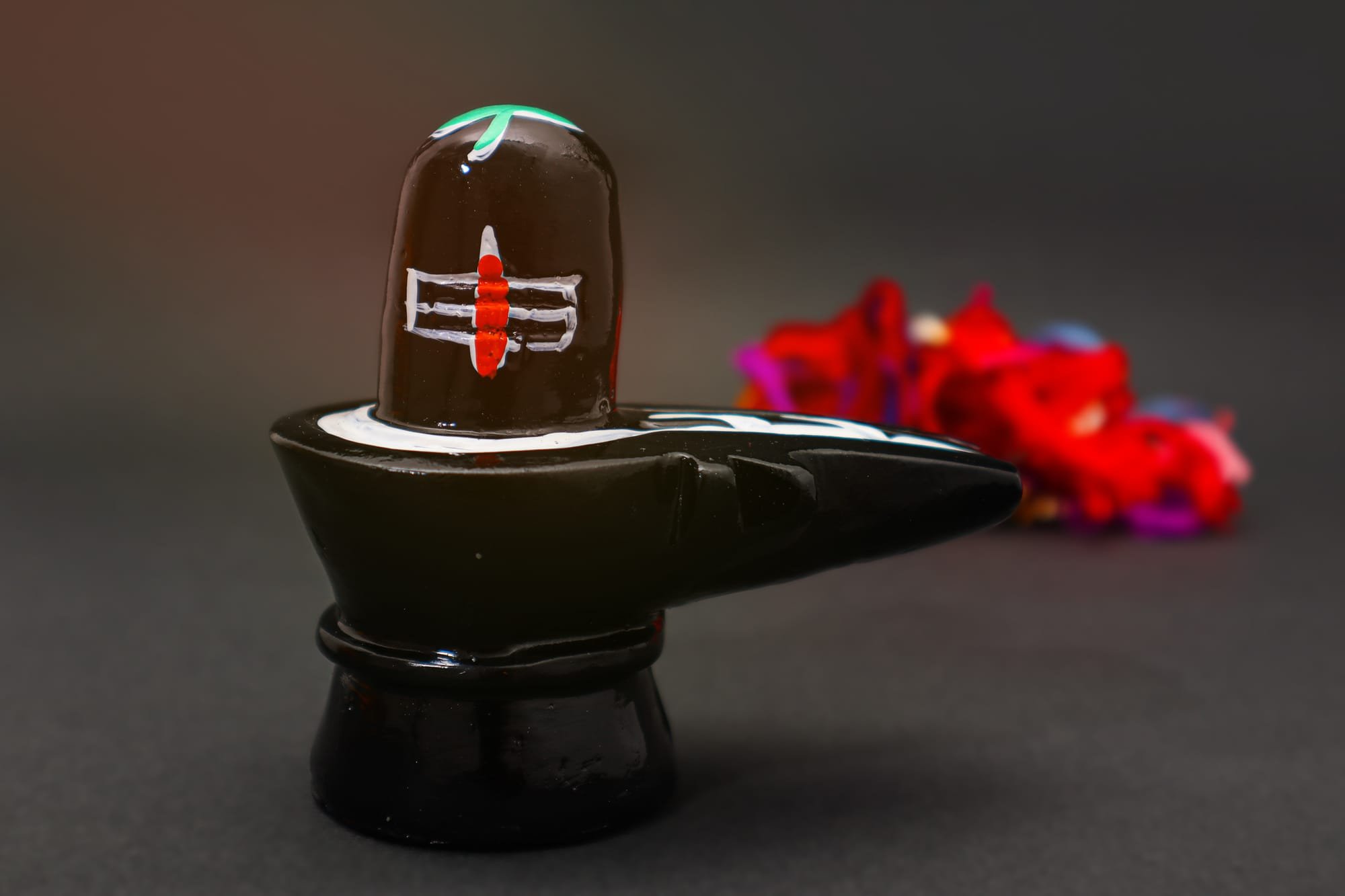
The lingam holds multiple layers of meaning that reflect cosmic and spiritual principles:
- Divine Creation and Energy: The lingam is seen as a representation of the divine creative energy that brings the universe into existence. It symbolizes the unmanifest aspect of the Supreme, representing the formless and limitless nature of God.
- Unity of Male and Female Energies: The lingam is often depicted alongside the "yoni," which represents the feminine aspect. Together, they symbolize the union of male and female energies, creation, harmony, and balance in the cosmos.
- Cycle of Birth and Rebirth: The shape of the lingam can also be seen as a representation of the cycle of life, death, and rebirth. It signifies the eternal process of creation, sustenance, and dissolution in the universe.
- Transcendence and Enlightenment: The vertical shape of the lingam represents a connection between the physical and the spiritual realms. It is often associated with the idea of transcendence, rising beyond ordinary existence, and seeking higher states of consciousness and enlightenment.
- Shiva's Symbolism: In Hinduism, the lingam is deeply linked to Lord Shiva, one of the principal deities. Shiva is often regarded as the meditator, the ascetic, and the destroyer of ignorance. The lingam serves as a reminder of Shiva's attributes and teachings, encouraging devotees to seek spiritual growth and self-realization.
- Inner Journey and Self-Discovery: The worship of the lingam is also symbolic of an inner journey. It signifies delving deep into one's consciousness, seeking to discover the divine essence within oneself.
પ્રતીકો અને અર્થ
| Symbol | Name (Sanskrit) | Meaning / Significance | Represents |
| Om (🕉️) | Aum / Om | Sacred sound of the universe | Creation, preservation, and destruction — the essence of all existence |
| Trishul (🔱) | Trishula | Lord Shiva’s weapon | Control over mind, body, and spirit; balance of three cosmic powers |
| Swastika (卐) | Swastika | Symbol of good fortune | Prosperity, peace, and spiritual progress |
| Lotus (🌸) | Padma | Sacred flower | Purity and spiritual awakening — rising above worldly troubles |
| Diya (🪔) | Deepa | Oil lamp | Light of knowledge; victory of good over evil |
| Cow (🐄) | Gau Mata | Holy and nurturing being | Symbol of gentleness, motherhood, and nature’s generosity |
| Bindi / Tilak (🔴) | Tilaka | Mark on forehead | Focus of spiritual energy; represents the third eye of wisdom |
| Conch (🐚) | Shankha | Blown in rituals | Auspicious beginnings and the sacred sound of Om |
| Chakra (⚙️ / ☸️) | Sudarshan Chakra | Divine wheel of Vishnu | Law, time, and the eternal cycle of life |
| Tulsi (🌿) | Tulasi | Holy basil plant | Purity, devotion, and divine protection |